
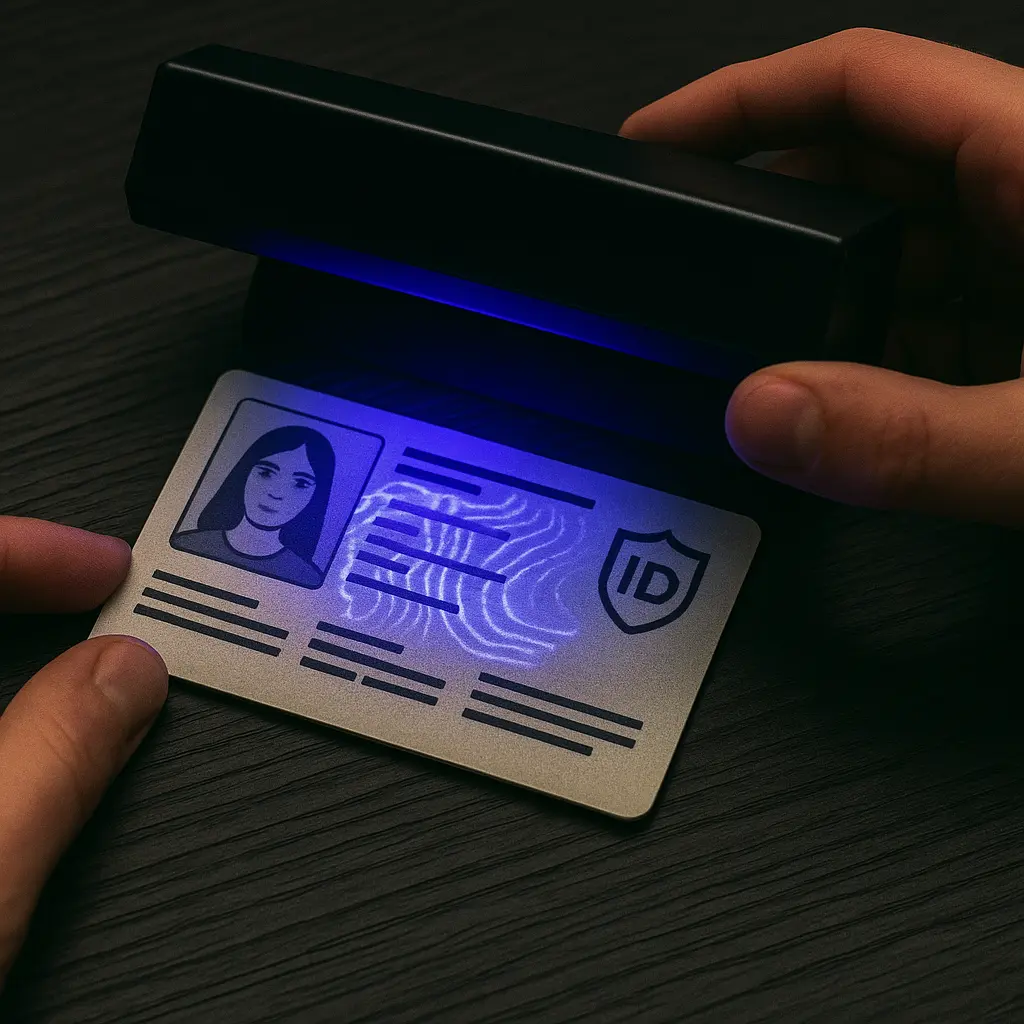
“I Tried Counterfeit ID Detectors. Here’s What Actually Worked For Me.”

I work the door at a busy bar two nights a week. On weekends, I also help my cousin at his liquor store. Fake IDs show up. A lot. I got tired of guessing. So I tested three tools over six months. I wanted speed, clear answers, and less drama. Simple as that. If you want the full blow-by-blow breakdown of my six-month experiment—complete with extra photos and the raw data tables I trimmed for space here—you can check out my detailed write-up on PrettyFakes.

I’ll share the good, the bad, and the “oh wow” moments. Real nights. Real people. Real results.

Why I Needed A Better Tool Than My Eyes

I’m pretty good at spotting shaky cards. But it’s noisy, lights are low, and folks are stressed. Some fakes look clean. Like, scary clean. I needed help. Not a lecture. A tool.

So I used:

  • A handheld scanner: TokenWorks IDVisor Smart V2
  • A phone app: Intellicheck Age ID
  • A cheap UV box: FraudFighter style UV lamp (the little black-light bank model)

For a gallery of surprisingly realistic counterfeit licenses (plus how to spot them), I highly recommend a quick browse through PrettyFakes — it opened my eyes to just how slick the newest knock-offs have become.

Three tools. Three very different vibes.

The Handheld That Saved My Friday: IDVisor Smart V2

This thing looks like a chubby phone with a scanner on top. It reads the barcode on the back of the ID and shows the age and a yes/no. Loud beep. Big text. Even in club lights.
This handheld isn’t just popular with bouncers like me; the detailed spec sheet for the device on the IDVisor Smart V2 product page breaks down its rugged build, battery ratings, and software options if you want the nitty-gritty.

What I liked:

  • Fast. Most scans hit in under a second.
  • Big red/green screen. No squinting.
  • It stores scans, so I can pull stats later.

A real moment: Homecoming Friday, line around the block. A guy hands me a Louisiana license. Clean card. Nice lamination. I scan. The screen flashes red: “DOB mismatch.” The barcode said 28. The printed front said 20. He shrugged, then walked. The line moved. No scene. I won’t lie. I felt pretty smug.

What bugged me:

  • It’s not cheap.
  • Battery is good, not great. About 7 hours with heavy use. I now charge it on a tiny power bank after midnight.

Fun extra: It caught two expired IDs in one night. Folks forget. Machines don’t.

The Phone App That Surprised Me: Intellicheck Age ID

I was iffy on using my phone, but this app was sharp. It uses the phone camera to read the barcode and checks the data. It also flags known fake formats. Setup was fast. The layout is clean and calm.
That quick performance lines up with an independent Greenway Solutions report that rated Intellicheck’s identity-validation tech 100% accurate against a battery of counterfeit IDs.

Real use: Saturday at the liquor store. A woman hands me a New York license. Scan. Red screen. “Invalid format.” She said it was new. I asked for a second ID. She showed a debit card with a different last name. She left. I felt bad, but also safe.

Notes:

  • It’s slower than the handheld, by a hair. Maybe a second or two more.
  • Works best with steady hands and good light.
  • I got two false alarms on beat-up cards. I wiped the barcode with a dry cloth and tried again. Green the second time. Not perfect, but good.

What I liked:

  • No extra gear. I already carry my phone.
  • Good for staff who float between registers or door spots.
  • Updates in the app keep up with new card styles.

The Cheap UV Box That Let Me Down

We tried a small UV box near the register. It reveals UV marks and helps with cash too. It’s neat for money. But for IDs? Eh.

Real issue: Halloween weekend. A kid hands a Florida license. Under the UV, the seal glowed. Looked cool. But the barcode scan (with the app) said no. The UV made it look real, but it wasn’t. Some fakes now copy the glow. It fooled my eyes, not the math.

UV boxes can help with:

  • Quick look at holograms
  • Spotting scratches or peeled corners

But as a counterfeit ID detector? Not enough. It’s a helper, not a decider.

Real Nights, Real Wins

  • Friday, 11:32 p.m., long line, Denver: IDVisor flagged an Ohio license where the printed height was 5'10" but barcode said 6'2". The guy said he “grew.” I smiled. “Not after print day, bud.” He laughed and left.
  • Saturday, 2:07 p.m., liquor store: Intellicheck caught a Minnesota license with a bad checksum. Customer tried a second card. Same name, clean barcode. Sale made. No fuss.
  • Thursday, student night: One real North Dakota license got flagged twice. It was worn and bent. I smoothed it, cleaned the back, scanned again. Green. I told the student to get a new card. He said thanks. Honestly, I liked him.

Speed, Ease, And The Little Things

  • Scan speed: Handheld wins by a nose. App is fine when the line is light.
  • Ease: Handheld is “point, beep, done.” App takes a steadier hand.
  • Battery: Handheld lasts a long shift, but barely. App uses phone battery; bring a charger.
  • Data: Handheld keeps offline logs. App has cloud features and alerts. Both help track busy times.

What Bugged Me (Because Nothing’s Magic)

  • Cost: The handheld hurts the wallet. But it pays for itself when fines and bans are on the line.
  • False alarms: Maybe 1 out of 80 scans flagged a real card due to wear or glare. A quick wipe and rescan fixed most of those.
  • Human factor: Folks get prickly when a machine says no. Stay calm. Use plain words. I say, “This code isn’t reading right. Do you have another ID?” It keeps the peace.

What Actually Caught Fakes

Not everything. But these worked well:

  • Barcode checks: Mismatch on birth date, height, or card number? Huge tell.
  • Expired cards: People forget. Machines don’t.
  • Format checks: Some states have very set formats. The tools look for those.

What didn’t work as well:

  • Hologram-only checks
  • UV glow by itself
  • “Gut feel” on a busy night

Quick side note: ID verification isn’t only a face-to-face issue—online adult platforms have to be equally vigilant about keeping minors out. For an inside look at how a major cam site tackles the problem, check out this in-depth LiveJasmin review that walks through the site’s performer vetting steps, age-check tech, and why that matters if you’re serious about compliance and safety.

Who Should Get What

  • Busy bars and clubs: Go with a handheld like the IDVisor Smart V2. It’s fast and simple.
  • Small shops and pop-ups: The Intellicheck app is great. No box to carry. Good price.
  • Cash-heavy spots: Keep a UV box for bills. Use it as a backup for IDs, not the main call.

A Tiny Tangent, But It Matters

Hydrate your door staff. I bring a snack bag and a tiny power bank. Hungry, cranky people make worse calls. Weird tip, I know. But it helped our team more than I thought.

The Numbers From My Log

Over six months:

  • About 2,300 total scans
  • 23 flags
  • 19 true fakes
  • 4 real cards that needed a rescan or a wipe

That’s a win rate I can live with.

Final Take

You know what? I was ready to hate the gear. I thought it would slow me down. It didn’t. It made my nights smoother. The handheld is my go-to on busy shifts. The phone app is my backup and my day shift tool. The UV box sits by the register for cash, and that’s fine.

Owners in the Petersburg nightlife scene who need to fill bar shifts, promote events, or even list second-hand equipment quickly can tap into the local classifieds on Backpage Petersburg where targeted listings connect you with motivated, nearby staff and patrons without wading through nationwide clutter.

And please check your local rules. Keep a log. Be kind, be clear, and keep the line moving.
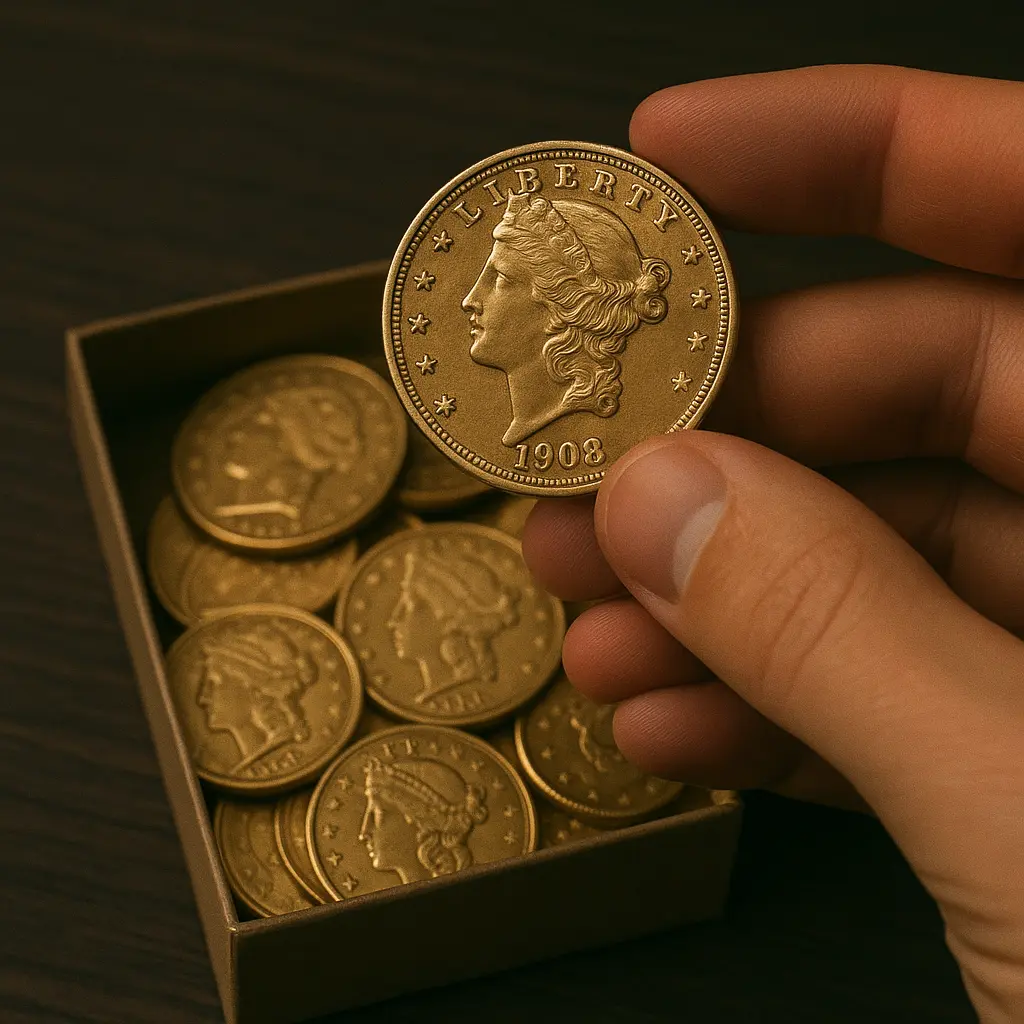
I Bought Counterfeit Gold Coins. Here’s How That Went.

I wish this was a cute story. It’s not. I thought I found deals. I brought home shiny coins. My stomach dropped later. The coins were fake. I ended up detailing the whole disaster in a longer piece you can read here.

I’m Kayla. I buy and review a lot of stuff. I love coins too. I grew up watching my grandpa flip a gold coin in his palm like a magic trick. So yeah, this one hurt.

But I learned a lot. I want you to skip the pain I felt.

The “Deal” That Hooked Me

It started with a Saturday yard sale. Warm day. Two tables. A cooler of soda. And an older man with a little wooden box. He showed me a “Krugerrand.” One ounce. Bright yellow. Heavy in the hand.

He said, “It was my brother’s. Cash only.” The price was low. Like, too low. But I wanted that win. I paid. I walked away. I felt proud.

Two hours later, I wasn’t proud.

At home, the coin looked… off. Almost too shiny. The color was loud, like a highlighter. The edge felt soft. It had a weird smell, kind of like metal shop class. Real gold doesn’t smell like that.

I set it on the table and tapped it with another coin. No clear ring. Just a dull thud. That sound sat in my chest like a warning bell. I knew, deep down, I’d been had.

Example Two: The Facebook “Indian Head” I Wanted to Love

Months later (yes, I tried again — stubborn), I bought a 1911 Indian Head $5 from a local listing. The photos looked great. The seller met me at a coffee shop. He was friendly. He even brought a little velvet pouch. The coin had details, sure, but the relief looked flat. The stars looked mushy. The barber-style edge was rough.

I weighed it at home with my kitchen scale. It read light by a few grams. Not a lot. But enough. Real gold coins live within tight weight ranges. This didn’t. My heart sank again.

I messaged the seller. He said it was “a family thing” and blocked me. That part stung more than the money.

Example Three: A Panda That Wasn’t

I also bought a 1/10 oz Gold Panda from an auction listing. Cute bear. Sealed plastic. It looked real at first. But the font on the date was wrong. The “1/10 oz Au .999” looked cramped. I took it to my coin shop. They put it on a Sigma Metalytics machine. The reading didn’t land within the gold range. The owner gave me that look. We both knew.

He said, “This one’s plated brass.” He was kind but firm. I thanked him. Then I sat in my car and just breathed.

How I Knew Something Was Wrong

I didn’t become an expert. I became a person who paid attention. Here’s what stood out for me, plain and simple:

  • Weight wasn’t right. Even a little off can be a big clue.
  • Color looked too yellow or too orange. Real gold has a warm glow, not a loud one.
  • Edges were messy. Reeding looked soft or uneven.
  • Sound was dead. Real gold sings. Fake coins thud.
  • Magnets said “hello.” A strong magnet shouldn’t pull pure gold.
  • Details looked tired. Letters, stars, eyes — they faded or bled.

I won’t tell you to scratch, cut, or use acid at home. That’s not safe. And you can ruin a real coin. For a quick refresher on straightforward checks you can do without special gear, this CBS News rundown covers the essentials in plain English.

For a quick reality check, the comparison images on PrettyFakes spotlight exactly how counterfeit finishes, fonts, and edges differ from the genuine article.

What Actually Helped Me

  • A good local coin shop: Mine uses a Sigma machine and has a Fisch gauge for certain coins. They spot fakes in minutes. Worth it. I also found the investigative pointers in this Forbes guide helpful for training my eye before I buy.
  • Simple tools at home: A small scale and calipers give quick signals. If numbers are way off, walk away.
  • Verified slabs: If you buy graded coins, use PCGS or NGC. Check the cert number on their sites. Look at the hologram. Compare the fonts. Fakes even fake slabs now, which is wild.
  • Known dealers for new gold: APMEX, JM Bullion, big-box club stores, or banks that sell gold. Not exciting, but safe.
  • Patience: When the price looks like a dream, I wait a day. If it’s real, it’ll still be there.
  • Detector gadgets: I also put a handful of counterfeit-ID detectors through their paces; the few that actually worked are broken down in detail in this test-drive.

The Emotional Side No One Talks About

I felt dumb. I felt mad. Then I felt a tiny bit brave. Calling the shop. Admitting I messed up. That took a breath. You know what? The coin folks were kind. They told me lots of people get fooled. Even pros. That helped me unclench my jaw.

Also, I told my friend group. Two people said they had fake coins at home too. We made a coffee date, brought our coins, and checked them together. It turned a bad day into a small community thing. That sounds cheesy. It was also real.

Pros and Cons (Yes, I’m “Reviewing” the Fakes)

  • Pros:
    • Shiny for a minute.
    • Nice for a prop or teaching tool.
  • Cons:
    • Worthless as gold.
    • Causes stress and awkward talks.
    • Can get you in trouble if you try to sell, even by mistake.

Verdict: 0/5 stars. Looks are cheap. Trouble is not.

A Quick Story About Packaging

One fake came inside a plastic “slab.” It had a prismatic sticker and a barcode. Fancy, right? But the label color was a shade off. The font spacing was weird. When I checked the cert number, it matched a different coin. That told me all I needed.

So, packaging can lie. Labels can lie. A secure case doesn’t make it safe.

Red Flags I Watch For Now

  • A price way under melt value. If it’s too good, it’s not good.
  • Cash only and fast meet-ups. Pressure is a sign.
  • Sellers who dodge simple questions. Like weight or mint history.
  • “Estate find” with no details. Maybe true. Often a shield.

What I Do Instead

  • I set alerts on real dealers when gold dips a bit.
  • I buy smaller pieces from shops I trust. I keep the receipts in a folder.
  • If I meet a seller, it’s at a coin shop. If they say no, I say no.
  • I keep a small magnet and a scale in my bag. It’s nerdy. It works.

One More Tangent (That Matters)

I almost gave my dad one of the fake coins as a gag paperweight. He’s a carpenter. He said, “It looks nice. But it’s a lie.” That stuck with me. I tossed it in a labeled jar: “FAKES, DO NOT SELL.” Sounds silly. It kept me honest.

Who Should Be Extra Careful

  • New collectors. Your eyes will get sharper. Give it time.
  • Folks shopping on social apps. Photos can be sweet talkers.
  • Gift buyers. If you’re buying for a big day, go safe. You want hugs, not heat.

The same slick marketing tactics that fool our eyes with shiny coins can show up in dating and chat platforms too. If you’re curious about how to separate real connections from flashy fakery on those apps, my hands-on walk-through of SextLocal—complete with screenshots, cost breakdowns, and red-flag spotting tips—lives here: SextLocal Review. Give it a skim and you’ll know exactly what to expect before you trade messages, photos, or money.

Just as crucial, anyone scrolling through local Colorado classifieds should be wary of too-good-to-be-true promises; my field notes on the Backpage Longmont scene lay out the pricing norms, verification tricks, and common bait-and-switch tactics so you can browse, message, or meet up with eyes wide open.

What I Wish I Knew Before I Bought

  • Real gold has a calm glow. Fake gold shouts.
  • Weight doesn’t lie. Neither do numbers.
  • A polite “no thanks” saves money and mood.
  • There’s no magic coin smell. If it smells like pennies or metal shop, that’s a clue.

My Take, Plain and Clear

Counterfeit gold coins look like a shortcut. They aren’t. They’re a trap with sparkle. I fell in twice. Maybe three times. I learned

How I Spot a Fake Bill (And The Gear I Actually Use)

I’m Kayla, and I’ve handled a lot of cash. Farmer’s markets. Garage sales. Coffee stands. You name it. I’ve had real money, and yes, I’ve had fakes slip in. It stings. But you learn fast.

Here’s what I do now, and the tools that helped me. Real stories included. No fluff.

The day a $20 taught me a hard lesson

I got a $20 at my yard sale. Seemed fine. Crisp, kinda stiff. I bought groceries with it later, and the cashier looked at me with that look. She held it to the light. No thread. No watermark. My stomach sank. The store kept it. I walked out minus the milk and the cash.

It wasn’t fun, but it changed how I check money.

Feel comes first

Real bills feel different. They’re cotton and linen, not just paper.

  • Rub your thumb on the shoulders of the portrait. It should feel a little rough.
  • Bend the bill. It shouldn’t crack or flake ink.
  • Old bills feel soft but still strong. Fakes feel waxy or too smooth.

When I trained my hands at the coffee shop, I’d line up a real $20 and a “maybe” $20. Close my eyes. Touch both. The fake felt… flat.

Tilt and look—fast checks that save you

  • On $10, $20, $50, and $100 bills, the number in the lower right changes color when you tilt it. My $20s shift from copper to green. If it stays dull, I pause.
  • On the new $100, there’s a blue ribbon. When you tilt it, the little bells move. They should really move. Printed fakes don’t.

One time, a guy handed me a $100 at a craft fair. The blue ribbon looked drawn on. I tilted it. Nothing moved. I smiled, handed it back, and asked for a card payment. He left fast.

Hold it to the light—watermark and thread

This is the one I teach my friends, because it’s simple and strong.

  • Watermark: Hold the bill up to a light. You should see a faint face that matches the portrait. On a $20, you should see Jackson. If the face doesn’t match, or you see nothing, big red flag.
  • Security thread: Also hold to light. You’ll see a thin strip with tiny words. Its spot and glow color change by bill:
    • $5: Thread is left of Lincoln. It glows blue under UV.
    • $10: Right of Hamilton. It glows orange.
    • $20: Left of Jackson. It glows green.
    • $50: Right of Grant. It glows yellow.
    • $100: Left of Franklin. It glows pink.

At a food truck gig, my UV light showed a $20 thread that glowed blue. That was wrong. A $20 should glow green. We caught it on the spot.

Tiny words, big truth: microprinting

Real bills have tiny words that are hard to fake.

  • On $20s, check “USA TWENTY” near the portrait.
  • On $100s, look near Franklin’s collar and around the gold “100.”
  • If the tiny text looks like mush or dots, I call it.

I keep a small loupe in my apron. Sounds extra, but it saves time.

For a compact, university-backed cheat sheet on what to look for, I keep the Detect Counterfeit U.S. Currency guide from Cornell on my phone.

If you want to browse side-by-side photos of genuine versus forged bills, I keep an updated gallery on PrettyFakes that you can check anytime. I also maintain a continuously updated, in-depth breakdown of every counterfeit-detection gadget I personally trust, and you can find that full gear list right here.

Serial numbers should match

There are two serial numbers on the front. They should match each other and fit the bill’s look and series year. I once saw a $50 with two different numbers. That’s a no.

Three real moments that taught me a lot

  • The yard sale $20: No watermark, no thread. I missed both. That mistake cost me twenty bucks. It also made me start checking every bill while I’m still face to face.
  • The vending machine trick: I fed a $10 into a soda machine. It kept spitting it out. I checked. The paper felt off, and the color-shift “10” didn’t shift. Machines can be fussy, sure, but they’re not dumb.
  • The holiday market $100: It had a real watermark but no pink glow on the thread under my UV light. It glowed white. The buyer shrugged and swapped it for smaller bills. Those passed every test.

If your cash dealings ever spill over into face-to-face meet-ups arranged through South Florida classified ads, take a minute to scan the local listings on OneNightAffair’s Backpage Lauderhill board—the daily-updated feed highlights who’s advertising, their preferred payment methods, and practical safety pointers so you can prep your counterfeit checks before you even leave the house.

Incidentally, the same inspection habits saved me when I dipped my toes into bullion—fake gold coins are a real thing. The whole unboxing (and the painful lessons) are in this field report I wrote about the experience of buying bogus coins: I bought counterfeit gold coins—here’s how that went.

The tools I actually use (and what I think)

I’ve tried a few things. Some are great. Some are “meh.” Here’s how they did for me.

Dri Mark counterfeit pen

  • What it does: Marks the bill. Real bills stay pale. Many fakes turn dark.
  • What I like: Fast. Cheap. Fits in a pocket.
  • Where it failed me: A bleached fake $100 passed the pen test. Later, a banker showed me the missing thread and the bad ribbon. So the pen is a quick screen, not proof.
  • My take: I still use it for speed, then I do a light check.

Vont UV flashlight (small blacklight)

  • What it does: Shows the security thread glow color and some UV marks.
  • What I like: Bright for the size. Works in a tent or dim booth. Fast.
  • Watch-outs: UV needs lower light. Midday sun can wash it out.
  • My take: For me, this is the best low-cost tool. It saved me from that blue-glow “$20.”

AccuBANKER D450 detector

  • What it does: Checks multiple things—UV, magnetic ink, infrared patterns. Gives a pass/fail beep.
  • What I like: Reliable on $20s and $100s. Staff can use it with almost no training.
  • Downsides: Bulky for a small pop-up. Needs a plug. Not cheap.
  • My take: I keep it at my coffee stand, not in my tote. It’s my “final say” on big bills.

The U.S. Currency Education Program even publishes a free, picture-heavy Teller Toolkit that mirrors the same steps I use—feel, tilt, and light—so new staff can learn fast.

Community wisdom matters too. I spend part of my Sunday mornings swapping stories with other booth owners in an uncensored forum over at JustBang where the candid threads dish out field-tested tricks for everything from deterring quick-change scams to picking the best portable cash boxes.

Handling physical cash often means checking IDs too—especially if you sell age-restricted items. I ran a gauntlet of dedicated ID scanners and wrote up what actually worked (and what didn’t). You can read that comparison here: I tried counterfeit ID detectors—here’s what actually worked for me.

My quick check flow (takes under 10 seconds)

  • Feel the bill. Rough ink? Not too slick?
  • Tilt and see if the number shifts color.
  • Hold to light. Find the watermark and the thread.
  • If it’s a big bill or I feel weird about it, zap it with the UV.
  • Still unsure? Compare to a bill you know is real.

If it fails two checks, I don’t take it. I stay calm and ask for a card or smaller bills. No drama.

A few small notes that help a lot

  • Compare with a known real bill of the same kind. Side by side tells the truth fast.
  • Look at the portrait’s eyes and lines. Real prints have crisp detail. Fakes blur.
  • Watch for “too perfect.” Fresh fakes can look oddly shiny or flat.
  • Trust your gut, then confirm with light. Feel weird? Check twice.

Final word from a cash person

I wish I never got that fake $20. But it made me better. Now I use my hands, my eyes, and a tiny UV light. I don’t rush. I don’t make it awkward, either. A smile and a quick check go a long way.

And you know what? Cash can be simple again. Touch. Tilt. Light. That rhythm sticks.

I Tried a Counterfeit Bill Pen. Here’s What Happened.

Ever get handed a big bill and feel a tiny knot in your stomach? Same. I work the register at a small coffee shop. I also sell granola at the Saturday market. Cash comes fast. Smiles are nice. But a bad bill can ruin your day.
If you're curious about the blow-by-blow of my very first week experimenting with the marker, I've laid it all out in detail in this field test.

So I bought two brands of counterfeit pens: Dri Mark and Sharpie Counterfeit Detector. I kept one at the shop and one in my market apron. I’ve used both for months. Here’s what I learned, the easy way and the hard way.

What Is This Pen, really?

It looks like a normal marker. The tip is a pale yellow. You make a small mark on the bill. Then you watch the color change. That’s it.

  • Light yellow or almost clear: likely real
  • Dark brown or black: likely fake

Simple, right? It felt like a magic trick at first. But it’s not magic. It’s paper science.

How It Works (Plain Talk)

Real U.S. money isn’t wood-pulp paper. It’s cotton and linen. Like clothes. Fake bills are often wood pulp, which has starch. The pen ink has iodine. Iodine meets starch and turns dark. No starch? The mark stays pale.

So the pen isn’t “reading” the ink on the bill. It’s checking the paper.

That one detail matters a lot.

Real-Life Moments That Stuck With Me

  • Coffee shop rush, Tuesday morning: A man handed me a crisp $20. I marked it near the portrait. It flashed dark brown in seconds. My gut dropped. I asked for another form of pay. He didn’t argue. He just left. I kept the bill in an envelope for the manager. That pen saved us right there.

  • Saturday market, windy day: A woman paid with three $10s. All used and a bit soft from the wash. The pen mark stayed light yellow. I still checked the watermark by holding it to the light. I saw the little face and the strip. Sold her granola and said thanks. The combo check made me feel safe.

  • PTA bake sale, rainy spring night: A teen gave me a damp $50. My pen streak turned a weird gray. Not brown, not yellow. My heart sped up. I waited a minute, tried a fresh spot after it dried. It stayed pale yellow that time. We also checked the security strip. It looked good. We took it. Moisture can make the mark look odd. Lesson learned.

  • Yard sale with my kids: We used the pen on a $100 from a neighbor I know well. Pale yellow. We still looked for the color-shift “100” by tilting the bill. It changed from green to copper. My son said, “Whoa, it’s like a mood ring.” Not wrong, buddy.

The Good Stuff

  • Fast: One second, tops.
  • Cheap: I paid about $6 for a single pen; a three-pack was under $15.
  • Easy: Mark the bill in a blank spot. I like the white margin or a light area on the back.

Both pens worked the same for me. The Dri Mark cap fit tighter, which I liked. The Sharpie one felt smoother on old bills. Small difference, but I noticed.

The Not-So-Great Stuff

Here’s the thing. The pen checks the paper type. Smart crooks can bleach a real $1 and print a fake $20 on it. That paper is still cotton. The pen might say “looks fine,” even though the print is wrong. Also:

  • Wet or coated bills can confuse the ink.
  • Super old bills with grime can test weird.
  • It doesn’t check watermarks, strips, or color-shift ink.

Those gaps are exactly why I spent an evening comparing pro tips online, and the clearest breakdown I found lives on Pretty Fakes, where you can see real vs. counterfeit bills side-by-side. That rabbit hole pushed me to document the exact setup I carry every day, which you can read in my guide to spotting fake bills and the gear that actually works.

For a full, official rundown of every security feature—from micro-printing to color-shifting ink—the U.S. Currency Education Program hosts free charts, high-resolution images, and printable training materials.

So no, the pen isn’t a shield. It’s more like a quick sniff test.

How I Use It Now (My Routine)

When I get a $20 or higher, I do three fast checks:

  1. Pen mark: pale yellow means likely good.
  2. Hold to light: look for the watermark face and the thin security strip with tiny letters.
  3. Tilt the bill: see if the number shifts color.

This takes maybe five seconds. If you want a quick visual refresher, the Federal Reserve’s classroom video assignment, “How to Authenticate U.S. Currency,” walks through the exact same steps.

If anything feels off, I ask for a different bill or another way to pay. I stay calm and kind. Most people understand.

Tips I Wish Someone Told Me

  • Mark a small spot. Don’t scribble across the face. It’s money, not homework.
  • Keep the cap tight. These dry out fast.
  • Replace every year. The ink fades over time.
  • Don’t test on wet bills. Let them dry first.
  • If the mark is dark, don’t hand the bill back. Follow your store policy and call a manager.

Who Should Keep One?

  • Cashiers, baristas, and food truck folks
  • Market sellers and craft booth owners
  • Yard sale hosts
  • School clubs and church events that take cash

Speaking of quick, real-world exchanges, if your off-hours plans ever involve lining up a spontaneous drink date you just set up through PlanCulFacile—the platform’s streamlined sign-up and smart location filters help adults arrange discreet, no-strings meet-ups in minutes—you’ll be glad to have a pen handy for any cash the two of you swap for cover charges or late-night tacos. And if you’re scrolling local classifieds for nightlife-friendly connections in the San Gabriel Valley, the curated listings on Backpage Diamond Bar showcase up-to-date ads and safety tips that can help you vet meet-ups before you ever leave the house.

If your business also has to check IDs—think bars, festivals, or late-night events—you might like seeing what happened when I tested the most popular counterfeit ID detectors.

Honestly, even my babysitter keeps one for late-night pizza runs when friends chip in cash. Sounds extra, but it helps.

Final Take

Do I trust my counterfeit bill pen? Yes—and no. It’s quick and cheap. It’s caught at least one fake for me, and it warned me during that rainy-night weird mark. But I never rely on it alone. I pair it with the watermark, the strip, and the color-shift check.

You know what? That mix feels right. The pen is my first look. My eyes are the second. Together, they’ve kept my till safe, my line moving, and my stomach knot-free. And that’s worth way more than six bucks.

I Tried NFC Anti-Counterfeiting So You Don’t Get Burned

Ever buy a fancy bottle or a rare jersey and think, “Is this real?” Same. I’m Kayla, and I’ve tapped a lot of tags with my phone. Some were great. Some were fussy. Here’s what actually happened.

Quick explain, no fluff

NFC is that tap tech in your phone. You tap a small chip in a label or cap. Your phone shows a page that says if the item is real, sealed, or already opened. It’s simple when it works. And yes, it can save you money and stress. For the granular nerd-out on every chip I tested, check out my full step-by-step NFC anti-counterfeiting test.


Real taps I made, for real stuff

1) My NBA jersey with the little patch

I bought a Lakers jersey on resale. It had the NikeConnect patch with NFC. I tapped it with my iPhone. It opened the Nike app and showed the jersey’s number and a “you’re in” screen. No swirl of pop-ups. Just clean info and some team content.

Did it say “this is not fake” in big letters? No. But I felt better. I later checked a cheap fake at a flea market. The patch did nothing. Tap, tap… nothing. That was enough for me.

What I liked:

  • Tap was fast.
  • It felt official.
  • Fakes I saw didn’t pass the tap test.

What bugged me:

  • Needed the Nike app for the cool stuff.
  • My friend’s phone case had a metal ring and the tag didn’t read till she took it off.

2) A Rémy Martin bottle at duty free

I grabbed a Rémy Martin bottle at the airport in Taipei back in 2019. The neck had a thin tag with a “tap to verify” symbol. I tapped. The page showed a green check, the bottle code, and “sealed.” Nice and calm. After I got home and cracked it open, I tapped again. It changed to “opened.” That switch was the part that sold me. It felt smart, like the chip knew the cap moved.

A week later, I tried a friend’s bottle bought in a street shop in Shenzhen. Tap did not load the brand page. It went to a blank site with weird text. Red flag. He returned it.

What I liked:

  • Clear “sealed” vs “opened.”
  • No app needed, just the phone.
  • The bottle code matched the sticker on the box.

What bugged me:

  • Needed signal for the page to load.
  • The tag was a little sensitive—you had to tap the right spot.

3) My small-batch balm business

Odd twist: I sell a few skin balms at weekend markets. Last year, someone refilled our jars and sold them online. I was mad. So I added NFC tags.

First, I tried cheap tags from Smartrac (Avery Dennison) on the lid. People could tap and see our legit page. It helped, but the copycats still reused the lids. So I moved to tamper-loop tags around the cap. When you open the jar, the loop breaks, and the page changes to “opened.” I used tags with a secure chip (NTAG 424 DNA) and set the check page with Tapwow. Nothing fancy—just a green check, the lot number, and a short thank you.

Shoppers loved it. And yep, we caught a seller with “opened” jars marked as new. Screenshots don’t lie.

What I liked:

  • It built trust fast.
  • People enjoyed tapping. It felt fun.
  • Fewer returns. Fewer “is this real?” messages.

What bugged me:

  • Tags cost more than stickers.
  • Metal lids blocked reads till I added a thin spacer.
  • Heat in a dishwasher killed two tags. Lesson learned.

The good stuff vs the gripes

What’s great:

  • Tap with your phone. No passwords. No fuss.
  • Tamper tags can show sealed vs opened.
  • Real-time checks catch shady resellers.

What’s annoying:

  • Metal and liquid can mess with reads.
  • Phone cases with magnets cause fails.
  • Needs web access for the check page.
  • Secure tags cost more than plain ones.

Using it in the wild: simple tips

For buyers:

  • Tap before you pay, if you can. Ask. It’s your money.
  • If the page looks random or sketchy, walk away.
  • Tap again after opening. It should change to “opened.” If it still says “sealed,” that’s weird.

If you’re carding guests or checking licenses at an event, here’s what I learned when I tried a stack of counterfeit ID detectors. Not just bottles and jerseys—cash can be counterfeit too, so here’s how I spot a fake bill (and the gear I use) if you want to add another quick check to your toolkit.

For small brands (like me):

  • Put the tag where folks can see and tap—caps, necks, hang tags.
  • If you use metal lids, add a thin spacer behind the tag.
  • Use a clear message: green check, item code, sealed/opened state.
  • Don’t make people download an app unless you must.
  • Want the nitty-gritty on the chip? Peek at the official NTAG 424 DNA brochure before you commit.

Little things no one tells you

  • Some Android phones read NFC faster than older iPhones. It’s not you.
  • Cold glass can make tapping finicky. Warm it with your palm for a second. Silly, but it helps.
  • People love a tiny reward. I added a hidden coupon after the second tap. Sales went up.

Authenticity isn’t just for products—knowing the real deal matters when you’re meeting people online too. If you’re curious about hassle-free, no-strings dating where profiles are verified and expectations are clear, swing by PlanCulFacile to see how an extra layer of trust can make casual connections safer and a lot more fun. If you happen to be in Central Texas and want a local directory that double-checks ads before they go live, Backpage Round Rock on One Night Affair is worth a look—the listings are vetted, refreshed often, and come with straightforward safety advice so you can meet up with the same confidence you’d have after tapping a trusted NFC tag.


So… does NFC stop fakes?

It helps a lot. It won’t beat every scam out there. But it raises the bar. For my jersey, it gave me peace of mind. For that bottle, it flagged a risk. For my balms, it cut down on copycats and questions. You know what? That’s worth it to me.

If you care about the real thing—sneakers, spirits, skincare—NFC is a smart, small tap that tells a big story. And sometimes, that quiet green check is all you need.

For more honest reviews of anti-counterfeiting tech and tips on protecting your next purchase, swing by Pretty Fakes.

My Honest Take on Counterfeit Vapes: What I Used, What Went Wrong, and How I Caught It

Quick take

I’ve bought fake vapes by mistake. More than once. They tasted off, hit weird, and made me feel rough. The price looked good, but the risk wasn’t. If your vape tastes burnt on day one, leaks, or the codes don’t check out, it might be a fake. I’ll share the real stuff that happened to me and what I look for now.

The gas station Elf Bar that wasn’t

I grabbed an “Elf Bar BC5000” at a late-night gas station near the highway. Peach Ice. I’d used real ones before. This one looked fine from far away. The box had a shiny sticker and a QR code. But the font looked a bit fuzzy. The colors felt dull. I didn’t think much of it.

First puff? Harsh. Not strong in a good way. Strong like old toast. The throat hit felt sharp and dry, with no real flavor. After five pulls, the mouthpiece wiggled. The LED blinked blue, then red, then nothing. Brand new. That’s not normal.

I scratched the sticker and checked the code on my phone with the “verify” page. It said “invalid.” Twice. I went back to the clerk. He shrugged. Cash-only, no receipt. That one lasted me two hours and a mild headache.

If you want the blow-by-blow with teardown photos, I posted the full story on PrettyFakes right here.

The online “deal” that leaked in my bag

I also bought a pack of “Lost Mary” and “Puff Bar” from a discount site a friend messaged me after a music festival. Huge sale. You know what? I wanted to save a buck. Bad call.

The “Puff Bar” Mango came in a box with a crooked seal. Inside, the device had e-liquid in the mouth cap. Sticky. The coil gurgled. That wet pop sound? That’s a leak. The flavor was sharp, then flat. The puff count was a joke. Maybe 200 hits, tops. The “Lost Mary” had a misspelled flavor name on the label and the serial number repeated on two boxes. That’s a red flag.

The sketchy JUUL pods from a friend of a friend

Years back, I tried “JUUL” pods from a guy who sold them at a tailgate. Mint. The pod clicked in, but the fit felt loose. The liquid looked a tiny bit cloudy. First puff was strong, then bitter, then weirdly sweet. My tongue felt numb. I tossed it. Real JUUL pods I’ve bought from licensed shops don’t taste like that, and they come in sealed blister packs with clean print. Lesson learned.

How the fakes actually feel in the mouth

  • Flavor swings: sweet to burnt in minutes. Real ones stay steady.
  • Harsh throat hit that doesn’t match the nicotine level on the box.
  • Gurgle or hiss on the draw. That’s a leaky wick or a flooded coil.
  • Inconsistent light patterns; sometimes the LED flashes random colors.
  • Battery rattle. If you shake it and hear parts inside, that’s not good.

It’s wild—some fakes look great in photos. But the puff tells the truth.

Little tells I look for now

Not perfect, but these saved me more than once:

  • Print quality: clean font, even spacing, no fuzzy edges.
  • Scratch-off code that verifies on the maker’s site. If it fails, I return it.
  • Seal and shrink wrap that’s tight and even. No lifted corners.
  • Flavor names spelled right. It sounds silly, but it’s real.
  • Batch code and date that match the brand’s style guide. No repeat codes on different boxes.
  • Device shape and port: on some fakes, the charge port sits off-center or the mouthpiece is loose.
  • Taste test: if it burns on the first day, I stop. No second chances.
  • Tap-to-verify NFC tags: some new pods have a hidden chip you can scan with your phone—way harder to fake. I tried a few options, and you can see how they stacked up in this field test.

If you’re still unsure, a quick scratch-off or QR code check can clear things up, and there’s a solid step-by-step guide on what to look for (Haypp).

If you want an even deeper dive with side-by-side photos of genuine versus counterfeit vape packaging, check out the gallery at PrettyFakes—it saved me from buying duds more than once.

Where I buy now, so I don’t guess

I stick to licensed shops near me, and bigger grocery chains that card. They’re boring, sure. But I’ve had fewer duds. I also check brand “store locator” pages before I go, so I’m not gambling at 1 a.m. at a random gas station. If a shop is cash-only and weird about receipts, I pass.

Every now and then I’ll still sanity-check a new device with a handheld counterfeit detector; I compared the cheap ones against pricier bank-grade units in this roundup.

Quick health note, because it matters

I’m not here to preach. I do vape. But counterfeit stuff can be risky. Serious incidents, including seizures reported by the FDA, have been tied to suspect products (Time). Unknown liquid, odd metals, bad seals—your throat will tell you. I got a sore chest and headache from that gas station peach. If you ever feel dizzy or short of breath, stop and get help. No cloud is worth that.

A tiny detour: why festivals make this worse

I notice counterfeits pop up more around big events—fairs, summer shows, tailgates. You’re tired, your battery’s dead, and a pop-up stand looks handy. I’ve been there. The packaging looks almost right under those tent lights. But the flavor later says no. If it’s a rush sale with no receipt, I skip it now and bring a backup device in a zip bag.

And while we’re on the subject of late-night festival impulses, sometimes the craving isn’t just for a quick nicotine fix—maybe you’re after quick human connection too. In that case, you might want to swing by MeetNFuck for an adults-only matchmaking platform that skips the endless swiping and helps you find like-minded locals who are down to meet up fast.

If you find yourself drifting north of Boston after a show—say the rideshare drops you off near Andover—and you’re curious about more localized, adult-oriented listings, the curated classifieds at Backpage Andover offer real-time postings from nearby users, making it easy to see who’s available and what they’re looking for without combing through city-wide clutter.

The one time a fake fooled me for days

There was a “Watermelon Ice” that actually tasted okay at first. Smooth. Cold on the inhale, sweet on the exhale. Then, on day two, it turned harsh and plasticky. The body got hot near the base after three pulls. That heat is a bad sign. The juice turned darker in the tank window; that means the coil is burning the cotton. I checked the code. Fake. I felt silly. But hey, it happens.

What I do now (simple and boring, but it works)

  • I buy from shops the brand lists as verified.
  • I scratch and check codes before I open the device.
  • I keep the box and receipt for a week, just in case.
  • I avoid “too cheap to be true” bundles online.
  • I bring a spare on road trips, so I don’t rush-buy junk.

Final word: I wish I didn’t learn it this way

Counterfeit vapes wasted my cash and messed with my throat. Some looked perfect. Some didn’t. But every fake told on itself—through taste, leaky seals, or codes that failed. If your gut says no, trust it. A clean hit should feel clean.

If you’ve had a weird one, you’re not alone. I’ve been there—sticky hands, burnt taste, and all. Stay safe, keep your receipt, and listen to the puff. It’ll tell you the truth.

My Honest Take on Chinese Counterfeit Goods: What I Bought, What Broke, What Weirdly Worked

I’m Kayla, and I’ve tried a bunch of fakes. Not proud. Not ashamed either. Just telling you what happened when I used them in real life.

You know what? Some items looked great. Some even worked. But a few made me worry. My skin, my stuff, my safety. So let me explain.
If you're curious about how to spot fakes before they bite back, check out this practical guide from PrettyFakes that breaks down red flags in plain English. For an unfiltered story covering everything from faux sneakers to dodgy phone chargers, take a peek at my honest take on Chinese counterfeit goods as well. For even more official tips, visit the National Crime Prevention Council’s StopFakes consumer resource or browse the International AntiCounterfeiting Coalition’s concise checklist on how to spot a fake.

The $25 “AirPods Pro” I Used on the Metro

I picked these up from a seller who messaged me on a flash sale app. White case. Snap lid. Even the light blinked like the real ones.

  • Sound: decent for podcasts. Thin on bass.
  • Fit: comfy. The tips felt soft but cheap.
  • Battery: died fast after a month. The case got warm. Too warm.
  • Odd bit: the Bluetooth name kept changing. Once it said “Aipods Pro Maxx.” That made me laugh, then worry.

Would I wear them for a quick run? Sure. For a flight? Nope.

The “Gucci” Belt That Fooled My Mirror, Not My Mom

Bought it in Guangzhou at a night market years ago. Cash only. The buckle looked shiny and heavy. The leather smelled like glue and paint.

  • From far away: looked rich.
  • Up close: frayed stitching by week two.
  • The buckle: tiny nick had copper showing under the gold tone.

Did it hold up my jeans? Yes. Did it feel right? Not really.

A “LEGO-Style” Starship That Ate My Weekend

I built a big set from a no-name Shenzhen brand. The box art looked cool. The bricks even clicked fine.

  • Build: fun and steady. Nice snap sound.
  • Fit: 90% good, 10% weird angles that fought me.
  • Smell: plastic funk lingered for days. I kept the window open.

It looked awesome on the shelf. But when my niece played with it, a wing popped off. Twice.

The Fancy Perfume “Dupe” That Lasted an Hour

I love Santal 33, but my wallet doesn’t. I tried a “Santal vibe” spray from a street vendor in Hong Kong.

  • First spray: spicy, woodsy, kind of right.
  • After 60 minutes: gone. Like it ran away.
  • On fabric: left a faint sweet note that felt off.

It was a cute fling. Not a real match.

The Viral Hair Tool That Tried to Be a Dyson

I grabbed a curling brush that looked like the Dyson Airwrap. Same color. Same attachments.

  • Heat: hot, then sometimes not. The temp swung a lot.
  • Motor: loud whine, like a tiny vacuum was mad at me.
  • Hair: it curled, but fizzled by lunch. And once, it snagged a chunk. That scared me.

I kept the heat glove. I tossed the brush.

The Good Stuff (Yes, There’s Some)

  • Price: obvious, right? It’s cheap. Sometimes very cheap. That bargain glitter can be extra tempting—like when I snagged some too-shiny "gold" coins; spoiler: they weren't gold at all, and I wrote the messy details here.
  • Look: for photos or far-away glances, fakes can pass.
  • Short-term use: quick costume parties, test runs, or backups.

The Not-So-Good (The Part That Stings)

  • Safety: chargers ran hot. Odd smells. Unknown materials near skin and eyes. The scariest for me was breathing in from a sketchy cartridge—read about the lung-burning lesson I got from counterfeit vapes if you’re considering that shortcut.
  • Trust: names change, support vanishes, returns get messy.
  • Ethics: the real makers do the work. The copies ride it.
  • Longevity: seams fray, paint chips, batteries fade. Fast.

A Small Tangent on Culture and Craft

I’ve also bought amazing, legit goods from China. Great tea sets. Solid power banks from known brands. Beautiful linen shirts from small shops. China is huge. It’s many stories, not one. Counterfeits are one slice, not the whole pie.

Who Might Say “Maybe”?

  • You need a prop for a day.
  • You’re testing a style before buying the real thing.
  • You can accept risk. You won’t use it on kids or near heat or skin.

Just like borrowing a persona for one spontaneous night, some people approach relationships with the same low-commitment mindset—minimal investment, clear expectations. If that idea resonates, you might appreciate this straightforward guide to arranging a respectful fuck-buddy setup that lays out simple tips on boundaries, safety, and maximizing mutual fun without the post-purchase regrets.
For readers in North Texas who’d prefer something even more location-specific, the curated listings on this Weatherford backpage alternative provide up-to-date ads, verification cues, and private messaging tools so you can line up a no-strings meetup quickly while keeping your privacy intact.

Who Should Skip It?

  • Anyone with allergies or sensitive skin.
  • Travelers who need gear to “just work.”
  • Folks who want support, updates, or a warranty.

Quick Safety Notes I Learned the Hard Way

  • If it smells harsh, don’t wear it.
  • If a charger gets hot, unplug it. Let it go.
  • Keep unknown gadgets away from kids and pets.
  • Don’t mix fake batteries with real chargers. Things get weird fast.

Final Take

Some Chinese counterfeit goods look fine and work… for a bit. But they cut corners. I felt that in my ears, in my hair, and in my gut. The savings can be real. The headaches are real too.

If you want the look for a night, okay. If you want peace of mind, save up for the real thing—or pick a solid, honest budget brand. I do both now. Keeps my closet calm and my outlets cool.

I Got Burned by Counterfeit Cash. Here’s What Jail Time Looked Like Up Close

I’m Kayla. I run a small shop. I’m also the one at the register most days. I thought I knew money. The paper. The feel. The little strip you can see in the light. Then I met my first fake fifty. My heart went up into my throat. You know what? It still does when someone hands me a big bill.
For the unfiltered version of how that single bill spiraled into fingerprints, paperwork, and a night in county, I broke it all down in this first-person recap.

This isn’t theory. I’ve lived parts of it. I’ve watched other folks live the rest. So here’s my honest review of the whole mess—counterfeit money and the jail time that can follow.

The First Fake Bill I Caught

It was a busy Saturday—fall craft fair traffic, sticky cider fingers, the works. A guy handed me a crisp $50. It felt… dusty-slick. Not right. I used my little DriMark pen (yep, the yellow one). It made a dark line. That means bad.
Later I actually put one of those markers through a bunch of real-world tests—spoiler: they’re helpful but not foolproof—and you can see exactly how that experiment played out right here.

I told the customer I needed to swap payment. He shrugged and used a card. No fight. I wrote the bill serial number in my notebook and took it to my bank. The teller took it. No cash back. No “sorry.” Just a form. Then a call from a local detective a week later. Quick questions. Where I got it. What time. Camera footage. That was that.

No jail. No ticket. But I learned something: once a fake bill hits your till, the money is gone. It hurts.

The One I Didn’t Catch

Two months later, I missed a fake $20 in a rush. I deposited it with the rest. The bank flagged my bag. A Secret Service agent (yes, they handle this) called me. He was calm. He wasn’t scary. He asked for the story. I told him the time window, gave camera clips, and the name on the card from the sale right after it. The agency even publishes a handy “Quick Glance” primer that shows the fastest ways to spot bad bills. I was not charged. I cried anyway. I felt dumb.

That night I trained my staff again. Feel the paper. Tilt the bill. Check the watermark face and the color-shifting ink on the number. Use a cheap UV keychain light for the security strip. Simple stuff, but it helps.

Real People. Real Outcomes. Real Jail Time.

I wish I could say it always ends like mine did. It doesn’t.

  • My friend Marcus used a fake $100 at a gas station. He says he didn’t know. The clerk called it in. Cops found two more in his car, tucked in the visor. He pled no contest. He got 90 days in county, two years probation, and had to pay back the station. He still can’t pass a background check without a long talk.

  • My neighbor’s cousin ran a small print setup in his garage. Fake twenties, lots of them. Not a mastermind—just sloppy and bold. Federal case. He got 18 months in prison and three years supervised release. He lost the printer, the car, even his hard drives.

  • A teen from our church sold a pair of shoes online. The buyer paid with two fake $50s. The kid spent one at a food truck, then panicked and turned in the other to police. The case got dismissed after he did community service and showed the chat logs. No jail. But that scare aged him five years.

Different choices. Different facts. Very different endings.

Plain Talk: What the Law Actually Means

Here’s the thing. Making fake money or passing it on purpose is a felony. It can be a state case or a federal case. Federal law can bring big time—up to 20 years for serious counterfeiting. Most small, first-time cases don’t hit that. But jail can still happen. Even for “just passing one” if they can show you knew.

What judges look at (from what I’ve seen and what lawyers told me):

  • Intent: Did you know it was fake? Did you try to pass more than one?
  • Amount: A single bad $20 is not the same as a stack of $100s.
  • Gear: Printers, plates, bleached bills—those make it worse.
  • Record and cooperation: Clean history helps. Lying hurts.

If you want hard numbers, the U.S. Sentencing Commission’s Quick Facts on Counterfeiting breaks down typical sentences and fines across recent federal cases.

Not your lawyer here. Just a shop owner who asked a lot of questions.

What Helped Me Keep Fakes Out

Need a step-by-step walkthrough of every tool I rely on day-to-day? I put together a photo guide to spotting fakes and the exact gear I use over here.

  • Feel and tilt: Real money has raised ink and color that shifts, especially on $20s and $100s.
  • Light check: Hold it to a bright light. Look for the watermark face and the thin security strip.
  • Quick UV keychain: The strip glows and shows the bill’s value. My staff keeps one on the lanyard.
  • Train in short bursts: We do a 5-minute “money check” huddle on busy weekends.
  • Don’t make a scene: If a bill seems bad, ask for another form of payment. Keep the bill, note the time, and stay calm.
  • Log it: I jot serial numbers and details in a small notebook near the register.

Side note: Those pens are handy but not perfect. Newer bills can trick them. So never rely on one tool. For a photo-heavy walkthrough of the most common security features, I like the simple cheat sheet over at PrettyFakes—it’s printable, free, and easy to stick by the register.

If You’re Already in Trouble

Deep breath. Be smart, not loud.

  • Call a defense lawyer fast.
  • Don’t explain intent on your own. “I didn’t know” is a legal point, not a chat.
  • Save proof: Messages, receipts, video, names—anything that shows how the bill got to you.
  • Ask about first-time programs or diversion. Some places offer them.
  • Be honest with your lawyer. All of it.

I watched Marcus talk himself into a worse deal before he had counsel. Don’t do that.

The Hard Part No One Tells You

Holidays bring more fake bills. Night markets too. People are tired. Lights are low. Cash moves faster. I wish it weren’t true, but I brace more in December. I staff one extra person near the register. I also put a small sign by the till: “Bills may be checked for security features. Thanks for understanding.” It takes the sting out.

My Verdict

Counterfeit cash looks like easy money. It’s not. It’s lost sales, long calls, and sometimes a cell. For me, the system felt slow but fair. For Marcus, it felt heavy. For that teen, it felt like a miracle. The throughline? Intent matters, and tiny choices snowball.

Authenticity isn’t just an issue with currency; it applies to people, too. When you’re navigating online connections, the same quick-check mindset can save you from headaches and scams. For French-speaking readers searching for a transparent, no-strings meeting space that screens its community, planculfacile.com provides a straightforward dating platform where verification steps help ensure the profiles you chat with are genuine—cutting down on surprises and wasted time.

Midwestern singles who prefer face-to-face meetups instead of endless swiping might appreciate the locally focused Backpage Gurnee classifieds where discreet postings, safety pointers, and up-to-date user reviews make arranging a no-pressure meetup simpler and more secure.

Would I trade all this stress for a world with no cash? Honestly, no. Cash still helps my older customers and festival folks. But I’m choosy now. My hands know the paper better. My staff does too.

If a stranger hands you a bill and your gut twitches—listen. Tilt it. Feel it. Ask for a card. And if a bad bill slips through, be kind to yourself and handle it straight. Jail time is real, but panic makes everything worse.

You know what? A little light, a little training, and a calm voice go a long way.

I Learned to Spot Fake $20 Bills the Hard Way

I run a tiny coffee cart. Early mornings. Lots of cash. One fall Saturday, a $20 felt “off.” Not wrong. Just off. My gut kind of buzzed. You know what? That little feeling saved me. I later wrote the blow-by-blow account of that morning in a longer post I Learned to Spot Fake $20 Bills the Hard Way for anyone who wants every gritty detail.

Here’s what I do now, every single time. And yeah, I’ve caught fakes. More than once.


The “3-Second” Check I Use First

I start simple. No tools. Just eyes and fingers.

  • Look: Andrew Jackson should look sharp, not fuzzy. The borders should have clean lines.
  • Feel: Real bills feel a bit rough from raised ink. Run your finger over “United States of America.” It should bite a little.
  • Tilt: The big 20 in the lower right (front) should shift color. Copper to green. If it stays one color, I slow down.

It sounds fussy. It’s not. It’s a habit now. Like checking a seat belt click.


Light Trick: Watermark and Thread

Next, I hold the $20 up to light.

  • Watermark: You should see a faint face of Jackson on the right side of the front. It should match the big face. Not a blob. Not off-center. A real face.
  • Security thread: Look to the left of Jackson. There’s a thin strip inside the paper. It says “USA TWENTY” and has little flags. Under a UV light, that strip glows green.

No UV? Still fine. You can still see the strip when you hold it to light. It’s inside the paper, not printed on top.


Pen Test: Helpful, But Not Magic

I use a DriMark pen. It’s fast (I tested a handful and shared the results in I Tried a Counterfeit Bill Pen—Here’s What Happened). If it turns dark, the paper is bad. That helps. But here’s the catch: smart fakes can pass the pen. People bleach lower bills and print on them. Sounds wild, right? But it happens.

So I use the pen, but I don’t trust it alone. Light and feel beat the pen.


Real Moments That Taught Me

  • The farmers’ market fake: A man handed me a crisp $20 for two lattes. The pen said “good.” But the watermark face was missing. Just blank paper. My stomach sank. I handed it back and said I couldn’t take it. He didn’t argue. He knew.

  • The gas station shift: I helped a friend one busy night. A $20 looked fine, but the color-shift “20” stayed copper no matter how I tilted it. Under a cheap keychain UV light, the strip glowed blue. Blue is for $5s, not $20s. It was a bleached note. Wild, huh?

  • The “too smooth” bill: This one felt like copy paper. Flat ink. No raised print. The tiny words near Jackson were mushy. On a real bill, those tiny letters are crisp. I kept a real $20 next to it and the difference was huge.


Tiny Details That Make a Big Difference

  • Texture: Real bills have little red and blue fibers in the paper. Not painted on. In the paper.
  • Micro words: Near the portrait and around the borders, there are teeny words like “USA20.” With a pocket loupe, you can read them. On fakes, they smear.
  • Colors: Modern $20s have soft peach and green background shades. If the colors look flat or too bright, I pause.
  • Serial numbers: They should be even, same shade of green as the Treasury seal, and spaced right. No jumpy numbers.

Tools I Actually Keep at the Cart

  • DriMark pen (fast check)
  • Little UV keychain light (the strip on a real $20 glows green)
  • Carson pocket loupe (to read tiny print)
  • One “known good” $20 in the drawer (I compare when I’m unsure)

Keeping my costs lean matters, too. If my cart’s schedule takes me through Douglasville, I scout local classifieds first—OneNightAffair’s Douglasville listings give a quick, scrollable look at who’s gathering where so I can decide if it’s worth firing up the espresso machine. Speaking of budget-friendly gear, you can browse a no-nonsense list of free or low-cost resources for small operators over at Fuck Free—it’s a handy hub that points you to tools and tips that won’t eat into your profit margin.

For a quick refresher on what each security feature should look like, I often pull up the visual guide at PrettyFakes on my phone whenever I’m training a new helper. If you want a rock-solid official cheat sheet, the U.S. Currency Education Program’s free Teller Toolkit walks you through every feature step by step. I’ve also experimented with higher-tech options like NFC tags—check out the firsthand pros and cons in I Tried NFC Anti-Counterfeiting So You Don’t Get Burned.

None of this is fancy. It’s cheap, and it works. For an even faster reference, I printed the Secret Service’s Quick Glance Guide and taped it right next to the register.


My Quick Routine, Start to Finish

  1. Feel the paper and raised ink.
  2. Tilt for the color-shift “20.”
  3. Hold to light for the Jackson watermark and the strip.
  4. If I’m still unsure, UV check the strip for green glow.
  5. Compare to a bill I trust.

It takes under 10 seconds. Slower if I chat. I talk a lot.


What I Do If I Get a Fake

  • I don’t hand it back out. That’s important.
  • I keep the bill, note the time and the person if I can, and call the local police non-emergency line or my bank. They know what to do.
  • I write a quick note for my records. Date, how it came in, any camera clip time.

Passing a bad note can land someone behind bars—see just how ugly it can get in I Got Burned by Counterfeit Cash—Here’s What Jail Time Looked Like Up Close.

It’s not fun. But it’s the right thing.


Little Things I Wish I Knew Earlier

  • Dark shops make bad checks. Stand near a window when you can.
  • Busy rush means fast mistakes. I tape a tiny “Check the 20” note by the till. Silly, but it helps.
  • Trust your gut. When a bill feels wrong, it’s often wrong.

Final Take

I’ve used every trick above, in real life, with real cash and real stress. The pen helps. The UV helps more. But your eyes and your fingers? Those help most.

Look. Feel. Light. Tilt. Then breathe. You’ve got this.

I carry a counterfeit currency marker. Here’s how it really went.

I’m Kayla, and I run small pop-up sales and help at a coffee cart on weekends. I’ve also done yard sales, church bake sales, and one very windy craft fair where my tent almost flew away. Cash is messy. People are nice, but things happen. So I keep a counterfeit currency marker clipped to my apron. (I unpack the whole saga in a step-by-step write-up right here.) It’s a tiny thing, but it saved me more than once.

Let me explain what I used and what happened, with real days and real bills.

What’s in my apron pocket

  • Dri Mark Dual Test pen with the little UV light on the cap. This is my main one.
  • MMF Industries detector pen from the office store. This was my backup.
  • A cheap 10-pack from a big online store. These dried out fast, but I tried them first.

The Dri Mark stayed bright and didn’t leak. The MMF worked fine, just basic. The cheap ones smelled strong and quit on me by lunch. You get what you pay for, right? I actually ran a side-by-side test of half a dozen pens last fall—spoiler: some of them bled everywhere—and you can see the messy photo evidence in this field test recap.

How it works (in plain talk)

You swipe the pen across the bill. On good bills, the mark stays pale or fades. On fakes, it turns dark. The Dri Mark has a tiny UV light too. You shine it on the strip in the bill and the glow helps you spot weird stuff. Quick and simple.

Do I trust the pen? Yes. And no. I use it first. Then I still look for the watermark and the strip. Both is better than one.

The coffee cart morning: a damp twenty

I was covering my neighbor’s coffee cart during a rush. A guy handed me a wet $20. It had rain on it and a little smear from a receipt. I marked it. The line turned darker than I liked, and my stomach dropped.

I paused, smiled, and said, “One sec—this bill’s a little wet.” I waved the bill dry on the pastry case, tried again on a clean corner, and used the UV light. Strip looked right. Second mark stayed light. We were good. He thanked me for checking. I thanked him for the tip. We both exhaled.

Lesson: wet bills can fool the pen for a second. Don’t press too hard. Try a dry edge.

Church bake sale: the odd fifty

At a Sunday bake sale, a sweet grandma handed me a $50 for three banana breads. The pen mark stayed light. But the UV strip didn’t look right for a $50. I held the bill to the window and checked the watermark. It didn’t match the face. My chest got tight.

I kept it kind. “I think this bill might be off. Do you have another one?” She did. The second bill checked out. Later, she told me her bank replaced the first. We hugged. No drama. The pen helped me slow down and look.

Yard sale Saturday: the fake that I caught

This one still sticks with me. A teen brought a crisp $100 to buy my old camera. The pen mark stayed pale. So I almost took it. But the blue security ribbon looked flat, and the UV strip felt off. My gut said, “Wait.”

I called my cousin, who runs a taco truck and sees tons of cash. He said, “Use a second pen mark and tilt the bill again.” Second mark was still light, but the watermark face didn’t line up. I passed on the sale and asked for smaller bills. The teen left in a hurry. I think the pen kept me calm long enough to catch the rest. That close call echoed the painful day I learned to spot fake $20s the hard way, and I still cringe thinking about it.

Here’s the thing: good fakes can pass a pen. That’s why I pair tools—marker first, quick look second. If you want a full breakdown of the visual cues and back-up gadgets I lean on, check out this guide.

For an even deeper dive into spotting the subtle tells, I recommend skimming the comparison photos over at PrettyFakes, because those side-by-side images train your eye fast.

If you need an official cheat-sheet straight from the source, the Bureau of Engraving and Printing offers a handy Quick Glance Reference Card you can keep in your cash box (you can download it here).

Craft fair marathon: pen stamina test

July heat, metal table, no shade. I did about 300 marks that day. The Dri Mark kept going. The MMF was fine for backup. The cheap pens? Two dried out by noon. One leaked in my tote and stained my square reader pouch. Not fun.

The Dri Mark tip stayed firm. The cap didn’t loosen. Small stuff, but when your hands are sticky from lemonade, it matters.

What I like

  • It’s fast. One swipe and you can move on.
  • It’s cheap peace of mind. Five to ten bucks, tops.
  • The clip holds on my apron. Silly detail, but huge when you’re busy.
  • The UV light on the Dri Mark is handy at dusk or under a tent.

What bugged me

  • False alarms on glossy or wet bills. It happens.
  • Tips can fray if you press too hard.
  • If you leave the cap off, it dries out. That’s on me. Still annoying.
  • It’s not a final judge. Skilled fakes can pass the pen. So you need your eyes too.

A tiny test I did at home

I marked a scrap of printer paper. It turned dark right away. I marked a $10 from my wallet. Pale line. That gave me confidence. Simple checks like that help you trust your gear.

Tips that saved me (learned the sweaty way)

  • Mark a blank, light area, not over heavy ink.
  • If the bill is damp, wait a beat, then try a second spot.
  • Hold the bill to light for the watermark and security strip. Takes two seconds.
  • Keep a spare pen capped tight in your cash box.
  • For busy crews, set a simple script: “Quick check, thanks!” It keeps the line calm.
  • If a bill feels wrong, ask for another. You’re not accusing. You’re protecting both of you.

For an academic-style checklist that walks through each security feature in detail, Cornell University’s Treasury Division has a concise printable guide you can grab here.

Who should keep one handy

  • Food trucks, pop-up shops, and farmer’s markets.
  • Yard sales and estate sales.
  • Church and school fundraisers.
  • Cash-only nights when the card reader acts up.
  • Anyone who handles bigger bills once in a while.

My picks after months of use

  • Dri Mark Dual Test: my go-to. The UV light makes it a two-in-one.
  • MMF Industries pen: solid, simple backup.
  • The bargain multi-pack I tried: false savings. Dried out, messy caps.

Price and value

I spend about the cost of a couple lattes and get months of use. One pen lasts a few hundred marks for me. The UV model needs small button batteries, but they last a long time. I replace my main pen each season, just to be safe.

Bottom line

I carry a counterfeit currency marker because it keeps me calm. It speeds up the easy calls and buys me time for the tricky ones. It’s not magic. But paired with a quick look at the bill, it works.

By the way, once the cash box is locked and the tents are folded, I know plenty of vendors—including me—who like to unwind with a little playful phone time. If your idea of stress relief involves spicy text rather than counting quarters, you might check out this no-judgment sexting space for private, flirty conversations that let you set the pace and the heat level from your couch.

For sellers who do pop-ups in Fairfield and want an extra channel to reach interested adults—sort of like placing a classified ad for your next event—you can browse the local listings on Backpage Fairfield where everything is organized by category, making it easy to connect with nearby customers without blowing your budget on big-platform advertising fees.

Would I buy again? Yes. I already did. One in my apron, one in my cash box, and—because I’ve learned—one more in my glove compartment. You know what? That little pen has saved me dough, and at a bake sale, that’s saying something.